

.svg)
.svg)
.svg "Real Property Associates, Inc. logo")
.svg "Real Property Associates, Inc. logo")


.svg)
.svg)
.svg)
.svg)
.svg)






.svg)
.svg)
Introduction
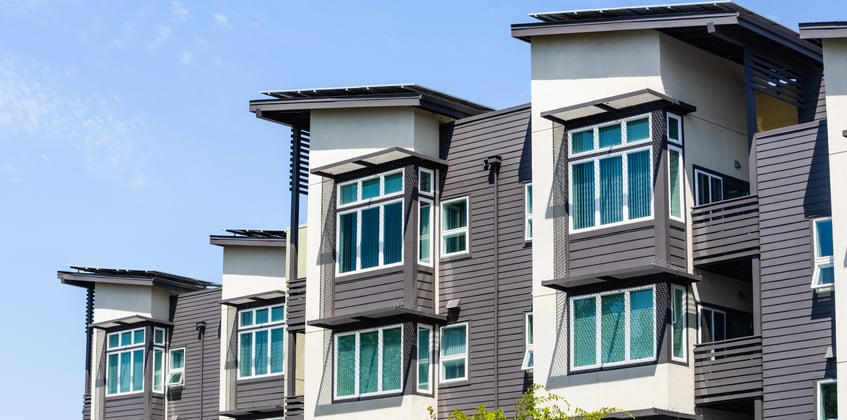
Seattle-area condo and townhouse owners may consider themselves on equal footing with single-family homeowners, yet under Washington State Rental Law, certain rights single-family homeowners take for granted simply don't apply, and some restrictions condo owners face can come as a real surprise.
Why Condo or Townhouses?
First, we need to consider why an owner chose to purchase a condo or a townhouse in the first place, rather than a detached single-family home. There are numerous reasons an owner may wish to purchase a condo or townhouse as their first home or an investment property.
Purchase Price for Condo & Townhouses
Pricing is a major factor as to why an owner may purchase a condo or townhome. As of June 2026, according to Redfin, the median sale price for a single-family home in Seattle is $1,049,586, while the average price for a townhome is $778,943, and a condo is $534,894. For condos and townhomes, there are fewer utility bills because the water/sewer/garbage utilities are shared. And for condo owners, insurance costs may be lower because they are insuring only their possessions, not the entire premises.
Rising Costs of Single-Family Homes
When renting out a detached single-family home, homeowners do have other considerations. First and foremost, the expense. Per the Seattle Times, with the average single-family home price over $1 million, the Seattle homebuyer faces a monthly payment as high as $5,000. While the average rent for a 3-bedroom home is currently $3,980. Owners of single-family homes may rent their homes out at a loss. This doesn’t account for other expenses, such as maintenance or yard service.
Lifestyle Fit
Another reason a property owner may purchase a condo or a townhouse is lifestyle fit. With condos, owners are not responsible for exterior maintenance such as roof and gutter cleaning, siding repair and upkeep, window maintenance, or yard work. These maintenance issues are handled by the Homeowners Association (HOA).
Condos may offer amenities that homeowners would otherwise have to seek elsewhere, such as a fitness center, concierge, yoga studio, pool, spa, or business center. Of course, owners would be financially responsible for these maintenance tasks and amenities, but only by paying a monthly fee. While for townhomes, there may still be an association in place to handle exterior maintenance. Townhome owners may have a smaller yard or garden, so the burden of care is much less than that of a detached single-family home with a yard.
Specific Rules & Regulations around Condos & Townhouses
We can see the reasons why a property owner may wish to purchase a condo or townhouse rather than a detached single-family home, but what do these owners need to consider when renting out their condos or townhouses?
Just Cause Eviction Limitations
The most important consideration for condo and townhouse owners regarding property management is that Just Cause Eviction reasons are limited when renting a condo or townhouse. In Seattle, landlords have limited grounds to end a rental agreement under the Just Cause Eviction Ordinance. One of which is that the owner wishes to sell the property. In Seattle, owners may choose not to renew a lease with a tenant when they intend to sell a single-family dwelling unit. This is considered a “just cause.” It will require a proper 90-day written notice, where the vacancy date coincides with the end of the rental period or, if month-to-month, the last day of a monthly period. This option is specifically limited to single-family dwelling units. According to the Seattle Municipal Code 22.204.200, a single-family dwelling unit is defined as a detached structure, thus restricting most townhomes and condos from this Just Cause option.
Statewide, this limitation applies to condo and townhouse owners as well, as RCW 59.18.650 provides similar grounds for owners to refuse to continue a tenancy. Washington state allows landlords to discontinue tenancies for many reasons, including when an owner wishes to sell the property. Again, this option is restricted to single-family homes, as the RCW designates single-family residences as eligible for this end-of-tenancy Cause option. However, under Washington RCW 59.18.030, a single-family dwelling is defined as an independent, free-standing structure that does not share walls or shared utilities with any other structure and has direct access to a street, again depriving the majority of condo and townhome owners of this Cause option for ending a lease.
Rules and Regulations
Other considerations when seeking condo and townhouse management include the rules and regulations set by your association. Condos and Townhomes are maintained by their homeowners' associations and may have specific rules regarding renting out the property. Some condo associations have rental caps, meaning only a certain number of units can be rented out at any given time. If the rental cap has already been met, you cannot rent your unit until another owner moves in or sells.
Associations can also limit lease lengths, often requiring at least 6 months, to curb short-term and vacation rentals. Some associations may also require certain addenda to be included in any lease, such as specific building rules and regulations or even a move-in fee. Finally, they may also require the tenant’s contact information for communication purposes. It will be important for owners to review governing documents and CCRs to determine the exact procedures, rules, and requirements for renting.
Conclusion
Whether you own a condo, townhouse, or single-family home, the decision to rent comes with real legal and financial implications. But for condo and townhouse owners especially, the rules of the game are different — and knowing them before you list your unit could save you from a costly surprise. Review your CC&Rs, understand your Just Cause limitations, and when in doubt, consult a property manager familiar with Washington State Rental Law.





-1.jpg)


