Landlord insurance vs homeowners insurance becomes an important question once you decide to turn your own Seattle-area home into a rental. No matter the reason — whether you inherited it, you're moving away, or you've decided to keep it — your insurance policy will likely need to change before the first tenant moves in. That's because the difference comes down to who lives in the home, and once a tenant moves in, your insurer sees a different set of risks.
What's the Main Difference Between Landlord Insurance and Homeowners Insurance?
Homeowners insurance protects a home you live in. Landlord insurance protects a home you rent to someone else. Both policies cover the building itself, and both give you liability protection.
A homeowners policy protects your own belongings. It also pays your living costs if you have to move out after a covered loss, meaning damage from an event your policy insures, such as a fire. A landlord policy shifts that focus to the risks of renting, such as rent you lose while the home is being repaired and, on many policies, damage caused by tenants. The Insurance Information Institute calls this a landlord or rental dwelling policy, so you may hear your agent use either name.
We sat down with Andrew Cowen of FirstMark Insurance Group to talk through how these two policies differ. Here is how they compare:
| What's protected | Homeowners insurance | Landlord insurance |
|---|---|---|
| The structure of the home | Yes | Yes |
| Your own belongings | Yes, your household belongings | Limited to items you leave for tenants, such as appliances |
| Your tenant's belongings | Not applicable | No. Tenants need their own renters insurance |
| Lost rent | No. "Loss of use" pays your own living costs instead | Often yes, after a covered loss |
| Liability | Injuries at the home you live in | Injuries to tenants or visitors at the rental |
Treat this as a starting point for the conversation with your own agent.
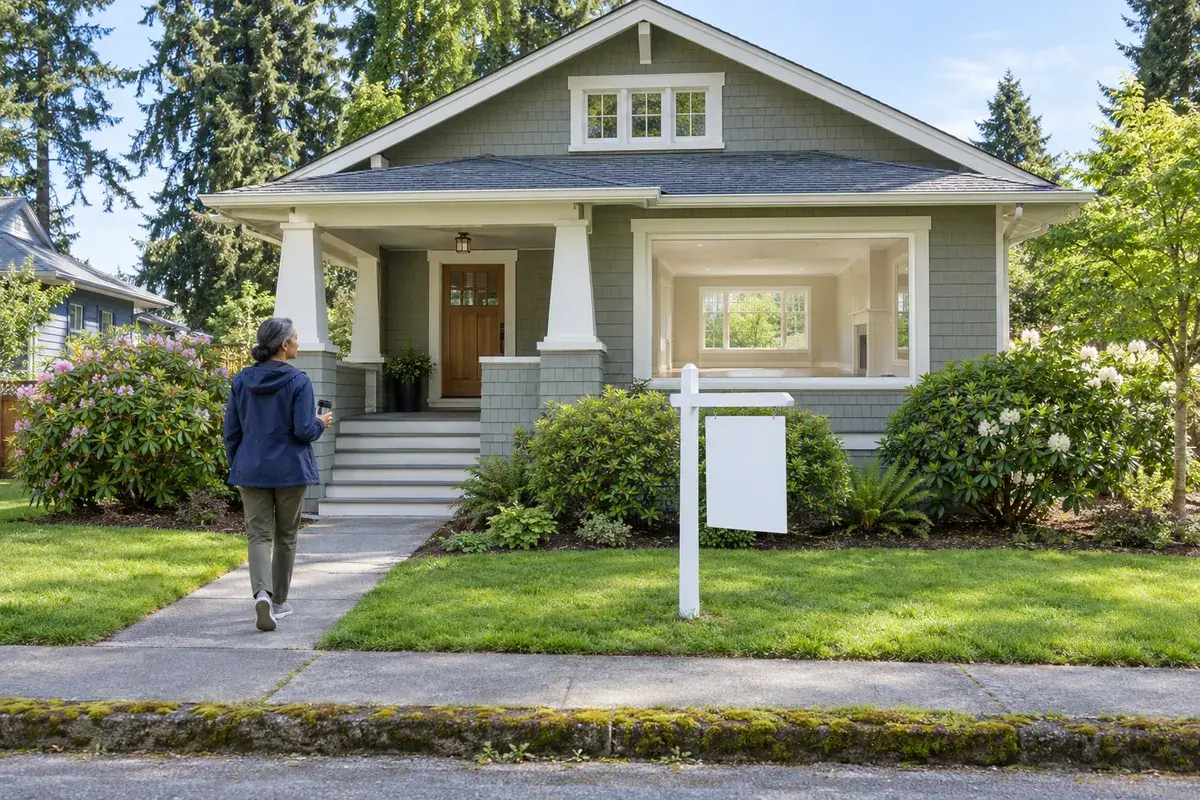 Do I Need to Change My Homeowners Insurance If I Rent Out My House?
Usually, yes. Insurers see a rented home as a different risk from one you live in, so tell your insurance agent before your first tenant moves in.
A homeowners policy is written for a home the owner lives in. Once tenants move in, it may not cover a claim connected to the rental. That could leave you paying for a loss you thought was insured. The Insurance Information Institute says that if you lease your home for six months or a year, you will likely need a landlord or rental dwelling policy. It also says your first step should be calling your insurance agent.
Moving from a homeowners policy to a landlord policy takes three steps.
First, call your insurance agent as soon as you know you'll be renting, well before the lease starts. Then describe the rental: how long the lease will run and which of your items, such as appliances or a lawn mower, will stay for the tenant. Finally, compare landlord policy quotes with similar limits (the most the insurer will pay) and deductibles (the amount you pay before coverage starts), so you're comparing like with like.
Short stays are a different situation, and this guide covers longer leases only. The Insurance Information Institute notes that renting your home out often for short stays may need different coverage, so ask your agent what short stays would need before you list the home.
Updating your coverage is one part of protecting your investment once it becomes a rental.
What Does Landlord Insurance Cover That Homeowners Insurance Doesn't?
Landlord insurance adds protection built for renting: lost rent after a covered loss, liability suited to a rental, limited coverage for items you leave for tenants and, on many policies, damage caused by tenants.
Loss of Rental Income
A covered event, such as fire or storm damage, can leave the rental unlivable. If that happens, landlord insurance can pay you the rent you lose while the home is repaired. Policies pay for a set period after the covered loss, so check how long yours runs. Some insurers call this fair rental value coverage.
A homeowners policy has something that sounds similar, called loss of use. It pays your own living costs if you have to move out. That is not the same as replacing rent you're no longer receiving. Knowing your home's rental value helps when you choose limits.
Tenant-Caused Damage
Many landlord policies include coverage for damage a tenant causes, especially deliberate damage. Examples include:
- Broken windows or doors
- Damaged drywall or flooring
- Spray paint on the walls
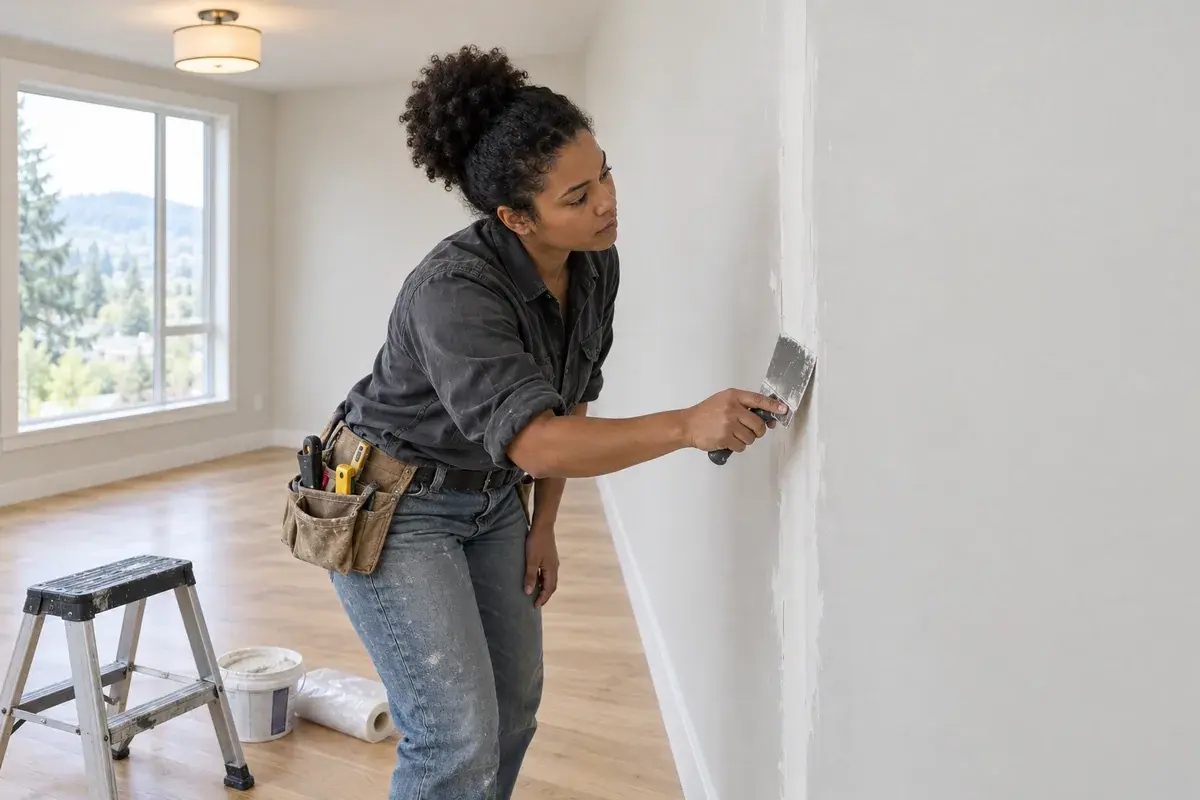
This coverage is for sudden damage, not normal wear and tear. Faded paint, a worn hallway carpet and scuffs from years of furniture are part of owning a rental. Insurers generally treat them as upkeep rather than a claim. A homeowners policy is written for a home you live in, so it may not pay for damage a tenant causes.
Liability Protection
Liability coverage helps if someone is injured at the rental and holds you responsible. That could be a tenant who slips on an icy front step, or a visitor who trips on a loose stair tread.
Landlord liability coverage can help pay for your legal defense and the injured person's medical bills, up to your policy limits. It matters because more people come and go from a rental than from a home you live in: tenants, their guests, delivery drivers and repair workers. Ask your agent how your limits compare with what a serious claim could cost.
Limited Personal Property Coverage
Landlord insurance gives limited coverage for items you own and leave at the rental for the tenant to use, such as appliances, lawn equipment and maintenance tools.
It does not cover your tenant's own belongings. Their furniture, clothes and electronics fall under their own renters insurance, explained in the renters insurance section below. If you leave something valuable behind, list it with your agent so it's clear whether it's included.
What Doesn't Landlord Insurance Cover?
Landlord insurance doesn't cover your tenants' belongings, routine upkeep or wear and tear, and standard policies usually leave out earthquake and flood damage.
Here is what falls outside a landlord policy:
- Your tenants' belongings: the Washington State Office of the Insurance Commissioner explains that an owner's policy doesn't cover a tenant's belongings or liability. Tenants need their own renters policy for that.
- Routine maintenance and wear and tear: a furnace that wears out with age, a roof at the end of its life and carpet worn thin by years of use are maintenance costs, not insured losses.
- Earthquake and flood: standard policies usually exclude both. Earthquake coverage deserves a direct conversation with your agent if you own in the Seattle area, because it has to be added to a policy or bought separately.
- Long empty spells: some policies limit coverage while a home sits empty, such as between tenants. Ask how long yours allows before those limits apply.
Knowing the gaps up front tells you which add-ons to discuss before you sign.
How Much Does Landlord Insurance Cost Compared With Homeowners Insurance?
Landlord insurance usually costs more than homeowners insurance on the same home. The Insurance Information Institute puts it at about 25 percent more, because a rented home carries different risks.
Those risks include damage by tenants, liability for more people on the property and lost-rent coverage that a homeowners policy doesn't include. Beyond that, landlord insurance cost for any one home depends on:
- Location of the property
- Condition and size of the home
- Policy limits, meaning the most the insurer will pay
- Deductible, meaning the amount you pay before coverage starts
- Claims history
Earthquake coverage adds to the cost if you choose it. The Washington State Office of the Insurance Commissioner notes that earthquake deductibles are usually 10% to 25% of the building's coverage limit. Work out what that would mean for your home before you decide.
The only way to know your own number is a quote, so ask for one on the home you plan to rent.
Can I Customize My Landlord Insurance Policy?
Yes. Many insurers let you add coverage to a landlord policy, such as umbrella liability, earthquake or flood coverage, and extra protection for lost rent. Common add-ons include:
- Umbrella liability coverage, which adds liability protection above your main policy's limits
- Earthquake insurance, which the Washington State Office of the Insurance Commissioner says is added to a policy or bought separately
- Flood insurance, since standard policies leave flood out
- Extra lost-rent coverage, which can extend the lost-rent protection in your base policy
- Legal expense coverage for disputes with tenants
Which of these make sense depends on the home, where it sits and how you plan to rent it. Your own agent is the right person to talk them through with.

How Does Renters Insurance Fit In?
Renters insurance is your tenant's own policy. It covers their belongings and their liability, which a landlord policy doesn't.
Renters insurance and homeowners insurance protect different things. Homeowners insurance covers a home you own and live in, including the building. Renters insurance covers a tenant's belongings and liability but not the building, which stays on the owner's policy.
The Washington State Office of the Insurance Commissioner notes that some landlords require tenants to carry renters insurance. Whether to ask for it is a choice each owner makes, and it's worth deciding before you write your lease.
For more on both sides of this, read What is Renter’s Insurance? Seattle Property Management Education and Should I Make Renters Insurance Mandatory for Home Rentals?
Frequently Asked Questions About Landlord and Homeowners Insurance
Here are quick answers to questions owners often ask once they've decided to rent out their home.
Why does landlord insurance cost more than homeowners insurance?
Landlord insurance costs more because a rented home carries different risks for insurers than one you live in. Those risks include tenant damage, liability for more people on the property and lost-rent coverage. The Insurance Information Institute says landlord policies generally cost about 25% more than a standard homeowners policy.
Does landlord insurance cover tenants' belongings?
No. Landlord insurance covers the building, your liability and limited items you leave for tenants, such as appliances. The Washington State Office of the Insurance Commissioner explains that an owner's policy doesn't cover a tenant's belongings or liability. Tenants need their own renters policy to protect what they own.
Who pays house insurance on a rented property?
The owner and the tenant each pay for their own part. The owner insures the building and their own liability through a landlord policy. The tenant insures their own belongings and liability through a renters policy. Neither policy replaces the other, so a fully insured rental involves two separate policies.
Landlord or Homeowners Insurance: Which One Do You Need?
If you live in the home, you need homeowners insurance. If you rent it out, talk to your agent about a landlord policy before the tenant moves in.
The two policies are built for different risks. Putting the right policy in place before the lease starts helps you avoid a gap in coverage.
This article is general information only, not insurance or legal advice. Policies differ, so confirm the details with your own insurance agent.
Renting Out Your Seattle Home? Where Real Property Associates Fits
Your insurance agent sets up the policy. Real Property Associates, a Seattle property management company since 1991, handles the day-to-day running of the rental, from tenant screening to rent collection.
Jay Young and Gordon Stephenson co-founded Real Property Associates in Seattle in 1991. Today we manage more than 4,700 residential and commercial units across Greater Seattle, Bellevue, Everett, and Tacoma. Our managers are small-scale landlords themselves, so they know what owning a rental is like. We also run our own in-house maintenance team with a 24/7 emergency line, so a leak at 9pm on a Saturday has somewhere to go.
If you're turning your home into a rental and want to talk through what management would look like, get in touch with Real Property Associates. You can also learn more about our services on our website.